

Zenyasa®
Zenyasa is the practical expression of my work.
If this site is where I explore the deeper patterns of human experience—how we relate to thoughts, emotions, and behavior—Zenyasa is where that exploration becomes something you can actually practice.
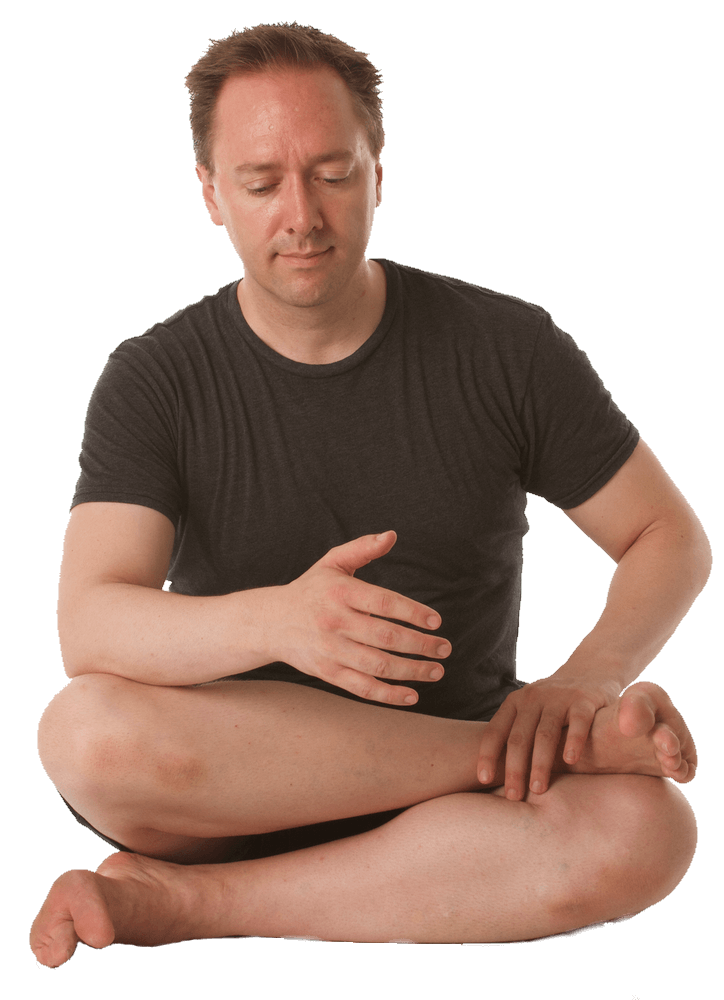
What is Zenyasa?
A slow breath. A deliberate movement. A moment of noticing what’s actually happening inside.
The Zenyasa Method is an embodied system that integrates mindful movement, nervous system regulation, and practical wisdom—rooted in both ancient traditions and modern psychology. It’s designed to help you:
- Understand your inner experience
- Regulate your nervous system
- Transform the patterns that shape your life
This work brings together mindfulness, somatic awareness, and behavioral tools in a way that can actually be practiced and integrated into daily life.
A quick origin note:
Zenyasa began in 2008 as a movement practice taught at major NYC venues including Reebok Sports Club and Pure Yoga. A studio followed in 2010. Today, after years of evolution — health psychology, ACT, DBT, coaching certifications, and a move to Uruguay — it's an online method for nervous system regulation and behavior change.
Where It Began
Zenyasa didn't begin in a studio. It began in 2008, as a movement practice I taught at some of New York City's most respected spaces — Reebok Sports Club (now Equinox) and Pure Yoga, among others.
The name was a fusion: Zen, for the meditation tradition that informed the practice, and Vinyasa, for the mindful flow of movement.
For two years, I tested, refined, and watched something happen. Students weren't just moving differently — they were relating to their experience differently. Less reactive. More present. More able to influence their own nervous system through attention and breath.
In 2010, I opened a small Zenyasa studio in NYC to give the practice a home. But the method itself had already proven it worked — out in the world, in real classes, with real people.
At the time, I noticed a split in the yoga world. Some classes leaned heavily into traditional spiritual forms—chanting, mantra, and philosophy that could feel dense or inaccessible. Others moved in the opposite direction—stripping away most of the contemplative elements and focusing primarily on movement or exercise.
There was also a similar divide in the physical practice itself. Some classes were slow and passive, focused mostly on stretching. Others were fast-paced and performance-driven, focused on intensity and output.
What felt missing was a middle path:
- A practice that was accessible but not superficial
- Grounded in clear, usable wisdom
- Physically intentional, but not rushed or forceful
- And capable of helping people carry the practice into their lives, not just experience it on the mat
I also noticed something else. Many students were pushing through discomfort rather than listening to their bodies. There was often a disconnect between what was happening in practice and how people were relating to stress, frustration, or challenge outside of it.
Zenyasa began as an attempt to respond to all of that.
The First Expression: Zenyasa Yoga
The original expression of the method was Zenyasa Yoga—a slow, mindfulness-based movement practice that blended elements of Zen meditation and vinyasa flow.
The name itself was a fusion: Zen, for the meditation tradition that informed the practice, and Vinyasa, for the mindful flow of movement. Zenyasa was born from the integration of these two worlds.
Each class began with seated meditation, creating a shared starting point. Rather than arriving from scattered places—work, home, the outside world—everyone began by paying attention to the breath.
From there, movement unfolded gradually.
Postures, transitions, and sequences were taught step by step, with just enough instruction to guide the next moment of action. Attention was directed not just to what to do, but to how to experience it—breath, sensation, effort, and awareness moving together.
The pace was slow enough to be spacious, but structured enough to build strength, stability, and functional mobility.
Over time, the practice developed its own rhythm and internal logic. But more importantly, something began to shift in the experience of the people practicing it.
The Turning Point
At a certain point, I began to notice that students weren’t just moving differently—they were relating to the experience differently.
Because the practice emphasized step-by-step attention and present-moment awareness, people became more fully engaged in what they were doing. They weren’t rushing to the next posture or thinking about what came next. They were participating in the process itself.
Ninety-minute classes would seem to pass quickly, not because they were fast, but because people were immersed.
The meditation at the beginning of class also changed the tone of the experience. Instead of a group of individuals arriving from different places, the practice began from a shared point of attention. That created a sense of coherence and quiet connection within the room.
This was the moment it became clear that something deeper was happening.
From Practice to Method
Over time, it became clear that the movement practice was only one entry point.
What people were learning on the mat—attention, regulation, awareness, and choice—applied just as much to thoughts, emotions, and patterns of behavior.
But something else was happening as well.
The way attention was guided at the beginning of class.
The way language shaped awareness during movement.
The way presence deepened when people were invited to fully enter each moment.
Long before there was formal language for it, the practice was already training specific capacities:
- noticing experience as it unfolds
- putting words to internal states
- fully participating in the present moment
- relating to experience with less judgment and more clarity
What began as an intuitive way of teaching gradually revealed itself as something more structured.
In more recent years, frameworks like Acceptance and Commitment Therapy (ACT) and Dialectical Behavior Therapy (DBT) helped name and refine what had already been emerging.
These models didn’t change the essence of the practice—they brought precision to it.
What had been intuitive became intentional.
Zenyasa classes began to more deliberately:
- guide observation and description at the start of practice
- support full participation through slow, embodied sequencing
- integrate non-judgment, one-pointed attention, and effective action throughout
Importantly, this structure remains largely invisible to the casual participant. The experience is still a movement practice—grounded, spacious, and accessible.
But beneath that experience is something more intentional:
a form of embodied skills training that helps people not only feel better in practice, but relate differently to their thoughts, emotions, and patterns in daily life.
Zenyasa Today
Today, Zenyasa refers to a layered body of work:
- Zenyasa Yoga — the original mindful movement practice
- The Zenyasa Method — the broader system integrating movement, mindfulness, and psychological skills
- Zenyasa Wellness — the platform where this work is practiced in community
At its core, Zenyasa has come to feel like a bridge—between traditional wisdom and contemporary psychology, between physical practice and inner work.
It supports not only strength, flexibility, and mobility in the body, but also psychological flexibility—the capacity to stay present, respond skillfully, and move through life with greater clarity and resilience.
The Practice Ground
Zenyasa Wellness is where this work becomes a lived, shared practice.
It’s where the method moves out of description and into experience—through small-group cohorts that integrate mindful movement, meditation, and practical tools for nervous system regulation and behavior change.
Two Ways to Engage
For Practitioners
If you want to experience this work directly, Zenyasa Wellness is where the method becomes something you can step into and practice.
→ Explore current cohorts at Zenyasa Wellness
For Yoga Teachers and Movement Professionals
If you’re a yoga teacher, movement professional, or practitioner interested in deepening your understanding of this work, there are opportunities to explore it more fully.
This includes training in the Zenyasa Method, as well as continuing education in areas such as anatomy, nervous system awareness, meditation, and the integration of traditional wisdom with contemporary psychology.
The focus is not just on learning new techniques, but on developing a more skillful, embodied approach to teaching and working with others.
You can learn more or stay connected here:
→ Join the Teachers List
