
About Jason Ray Brown
Helping people find greater clarity—in their bodies, their minds, and their lives.
For much of my life, I've been fascinated by a simple question:
How do we create meaningful change—not just in theory, but in the reality of everyday life?
That question has taken me in many different directions over the years...
- Hatha and vinyasa yoga
- Zen Buddhist study and practice
- Massage therapy and functional anatomy
- Health psychology and resilience coaching
At first glance these interests may seem unrelated, but to me they've always been different ways of helping people better understand themselves—and, through that understanding, create meaningful change.
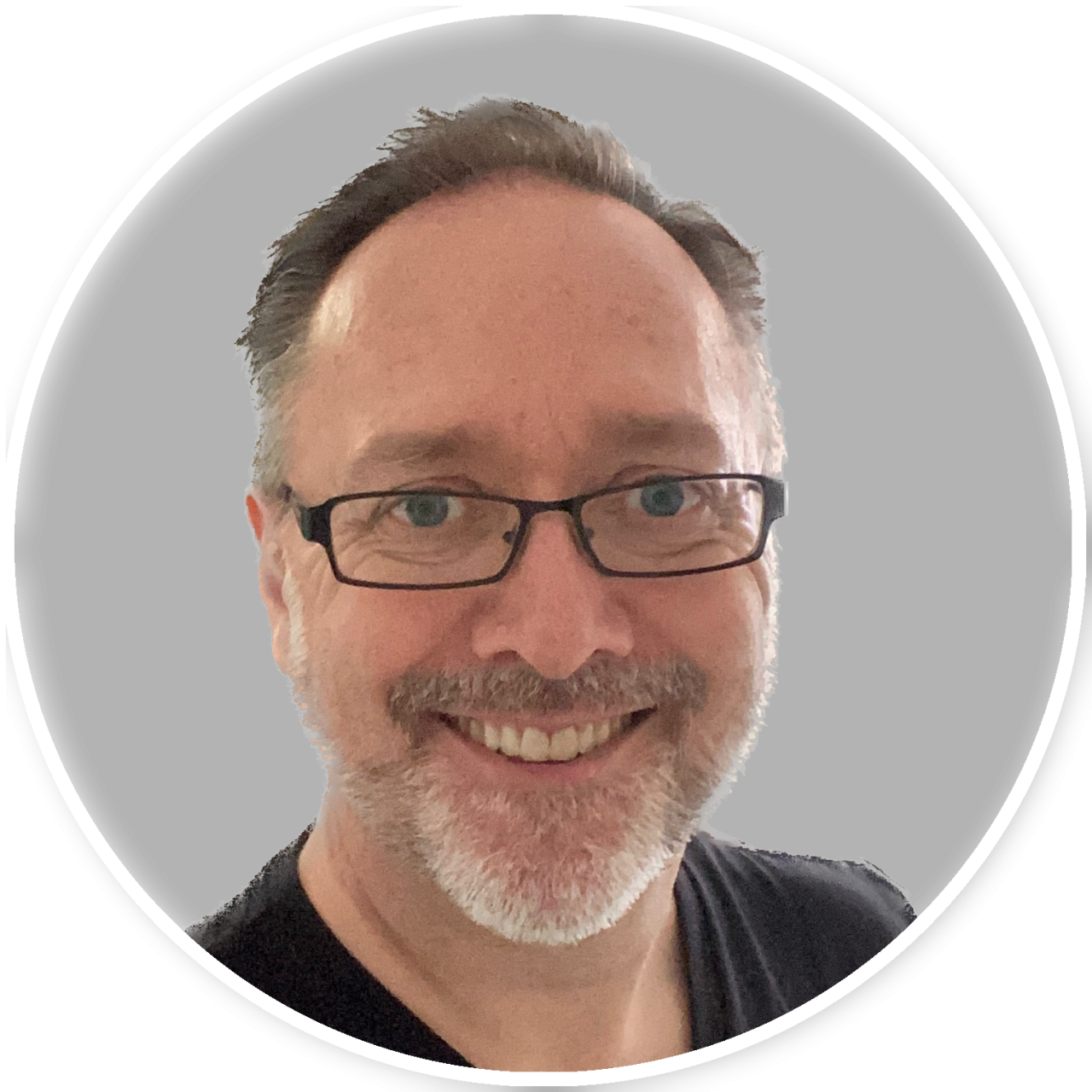
One Thing I've Learned
Many people believe that peace, happiness, or fulfillment come from creating the right external circumstances—the right job, the right relationship, the right amount of money, or the right collection of achievements.
I used to believe this as well.
Over time, however, I've come to appreciate what many wisdom traditions have been pointing toward all along:
Peace doesn't come from controlling everything around us.
It comes from learning how to relate differently to what is happening within us.
From a psychological perspective, this means understanding our thoughts, emotions, habits, and behavior. From a contemplative perspective, it means recognizing the patterns of attachment, aversion, and identification that often shape our experience and contribute to suffering.
I don't see these as competing perspectives, but simply as different languages describing many of the same human experiences.
That understanding eventually influences everything—from the way we respond to stress, navigate relationships, care for our bodies, and meet the ordinary challenges of everyday life.
My Path
I didn't plan on doing this work.
In my twenties, I moved to New York City to pursue acting. For a long time my life was built around pressure, uncertainty, and the feeling that I needed to achieve something in order to finally feel okay.
What happened instead was that I became increasingly interested in the inner side of the equation.
During a trip to Mexico, I found myself lying on a lounge chair listening to the ocean. Nothing remarkable was happening. Yet my body softened in a way it hadn't in years. There was a quiet there that didn't depend on circumstances going my way.
I remember thinking very clearly:
"I want this peace all the time."
That moment didn't change my life overnight, but it changed its direction. I began practicing yoga, eventually became a teacher, and grew fascinated by the body—how it holds tension, how it learns patterns, and how it communicates what the mind often struggles to express.
That curiosity led me into anatomy, massage therapy, mindfulness, and eventually psychology. Over the years I taught yoga, anatomy, and meditation, ran a yoga studio, developed teacher trainings, worked as a massage therapist, and earned a master's degree in health psychology.
Along the way I discovered approaches such as Acceptance and Commitment Therapy (ACT) and Dialectical Behavior Therapy (DBT), which offered modern psychological frameworks for many of the things I had already been exploring through contemplative practice.
For a long time these felt like separate tracks...
Yoga over here.
Anatomy over there.
Mindfulness somewhere else.
Psychology in another corner.
I kept trying to choose one path and leave the others behind.
It never worked.
Eventually I stopped trying to separate them and began seeing them as different ways of investigating the same question: how do we learn to work more skillfully with our experience?
Today
Today my primary professional work is focused on helping wellness businesses build healthier financial systems through bookkeeping and financial management at Zenyasa Financial.
Zenyasa Wellness remains the home of my movement practice and the ideas that inspired it. While my work has now taken me in a different direction professionally, the questions that originally inspired this work continue to shape everything I do.
A Personal Note
After spending most of my adult life in New York City, I now live in Montevideo, Uruguay with my aging mother, one of my sons, a dog, and two cats.
Life here is slower, quieter, and more spacious than anything I knew before. That shift has influenced both my work and my priorities in ways I'm still discovering.
These days you'll often find me practicing yoga in the morning, walking the dog around Parque Rodó, listening to an audiobook down by the Rambla, or working on one of the many projects that seem to emerge from my curiosity.
Like everyone else, I'm still learning. Still practicing. Still figuring things out as I go.
I'm simply trying to do it with a little more awareness than I had yesterday.
